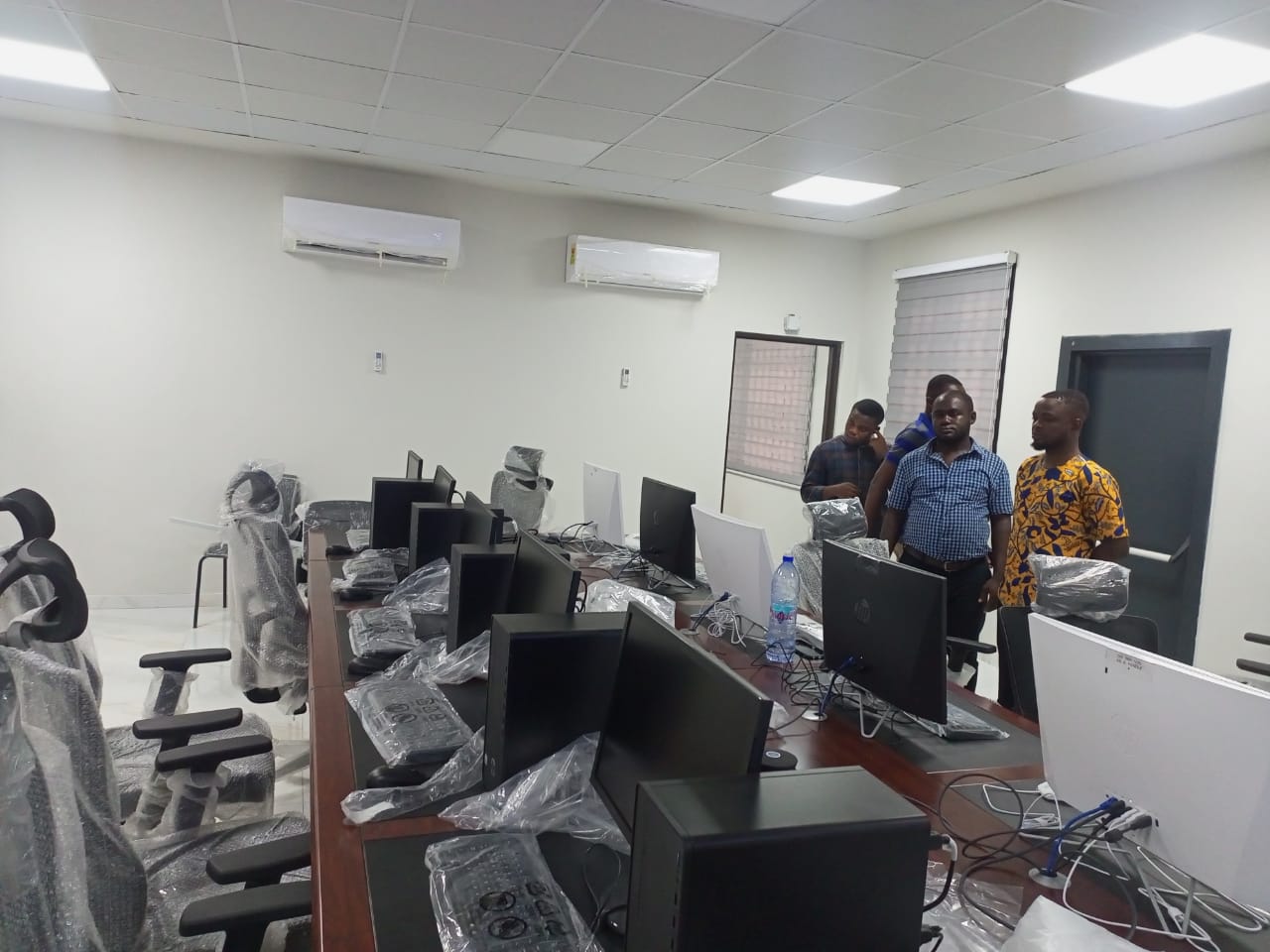
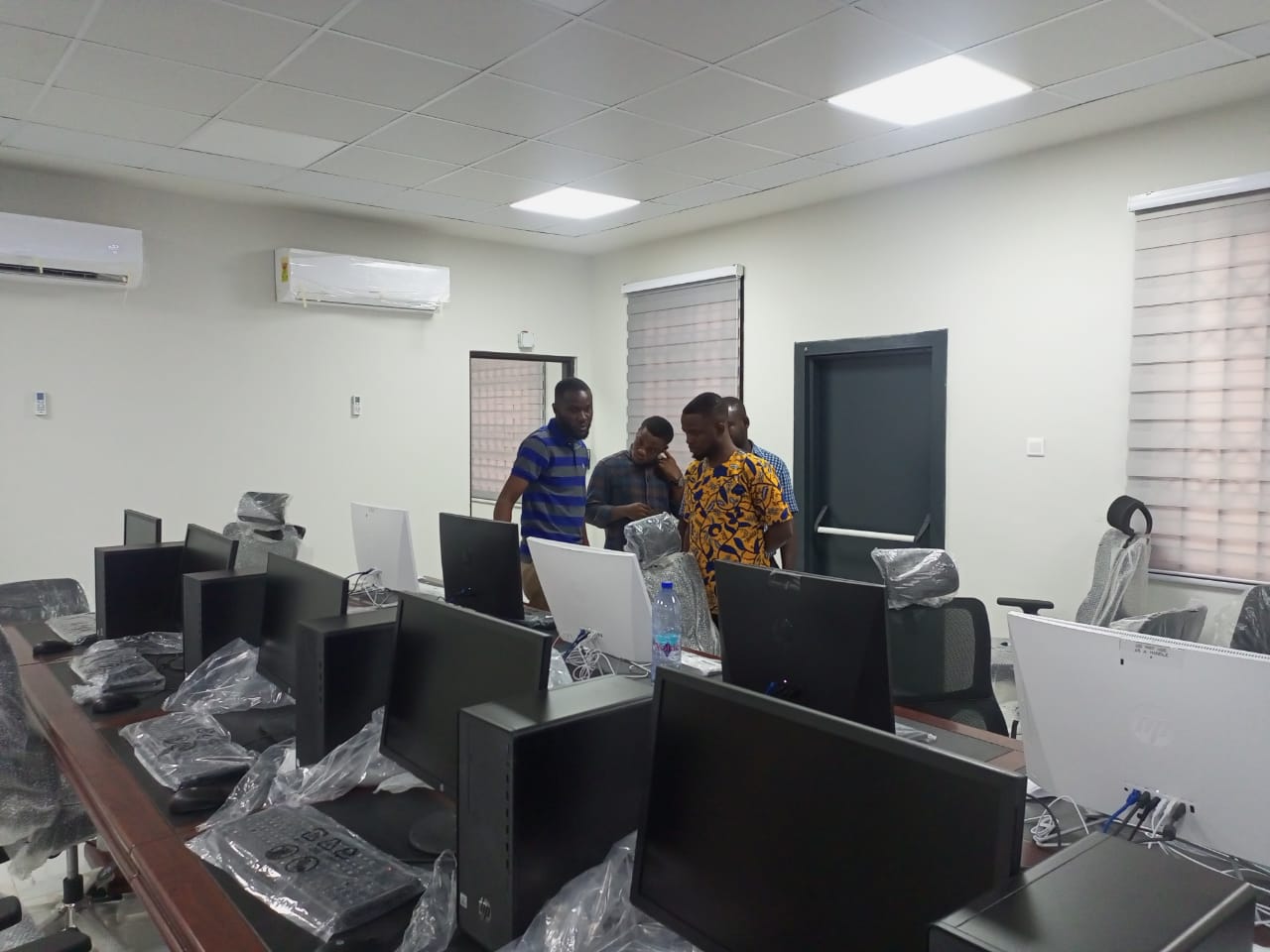
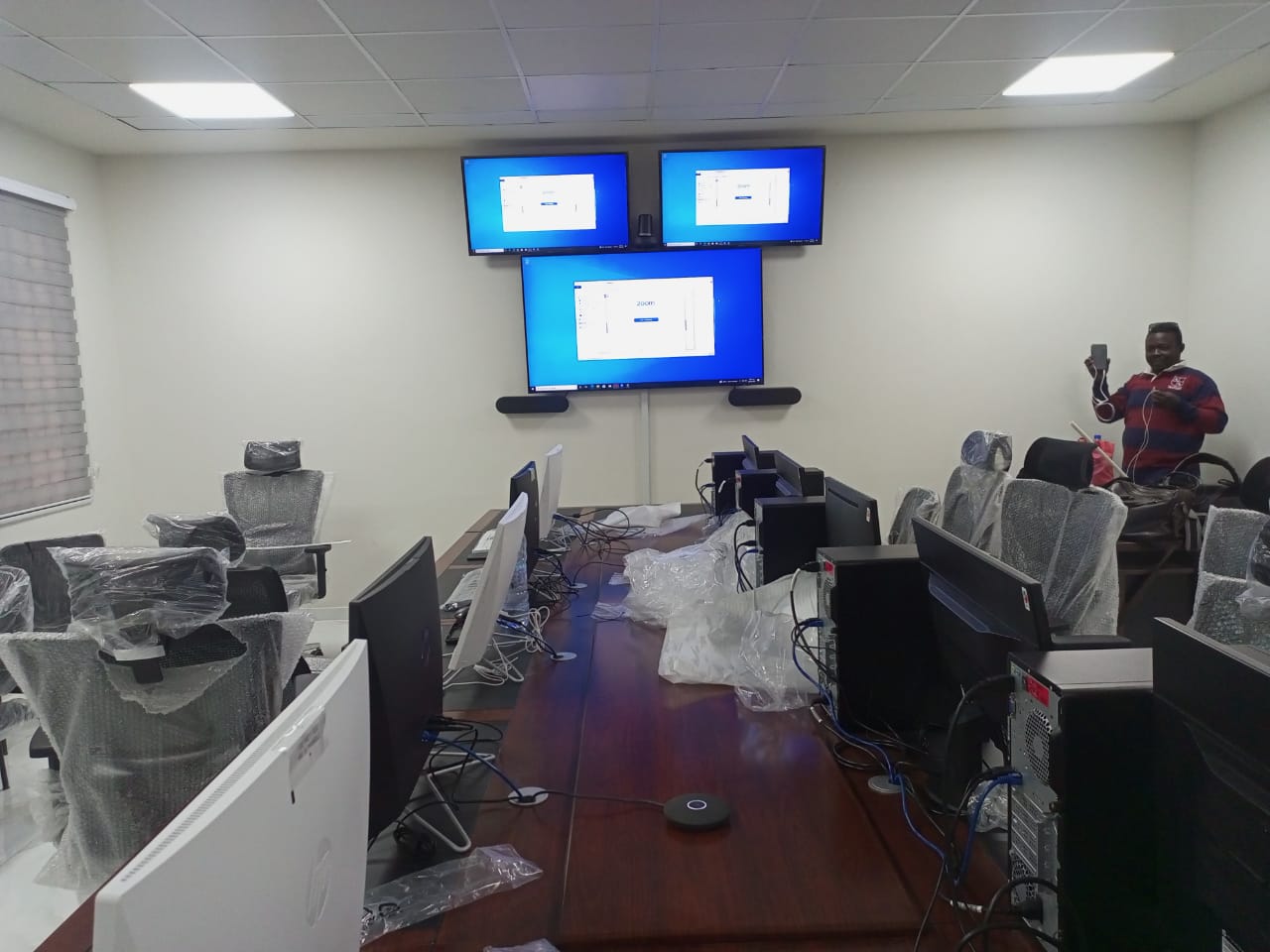
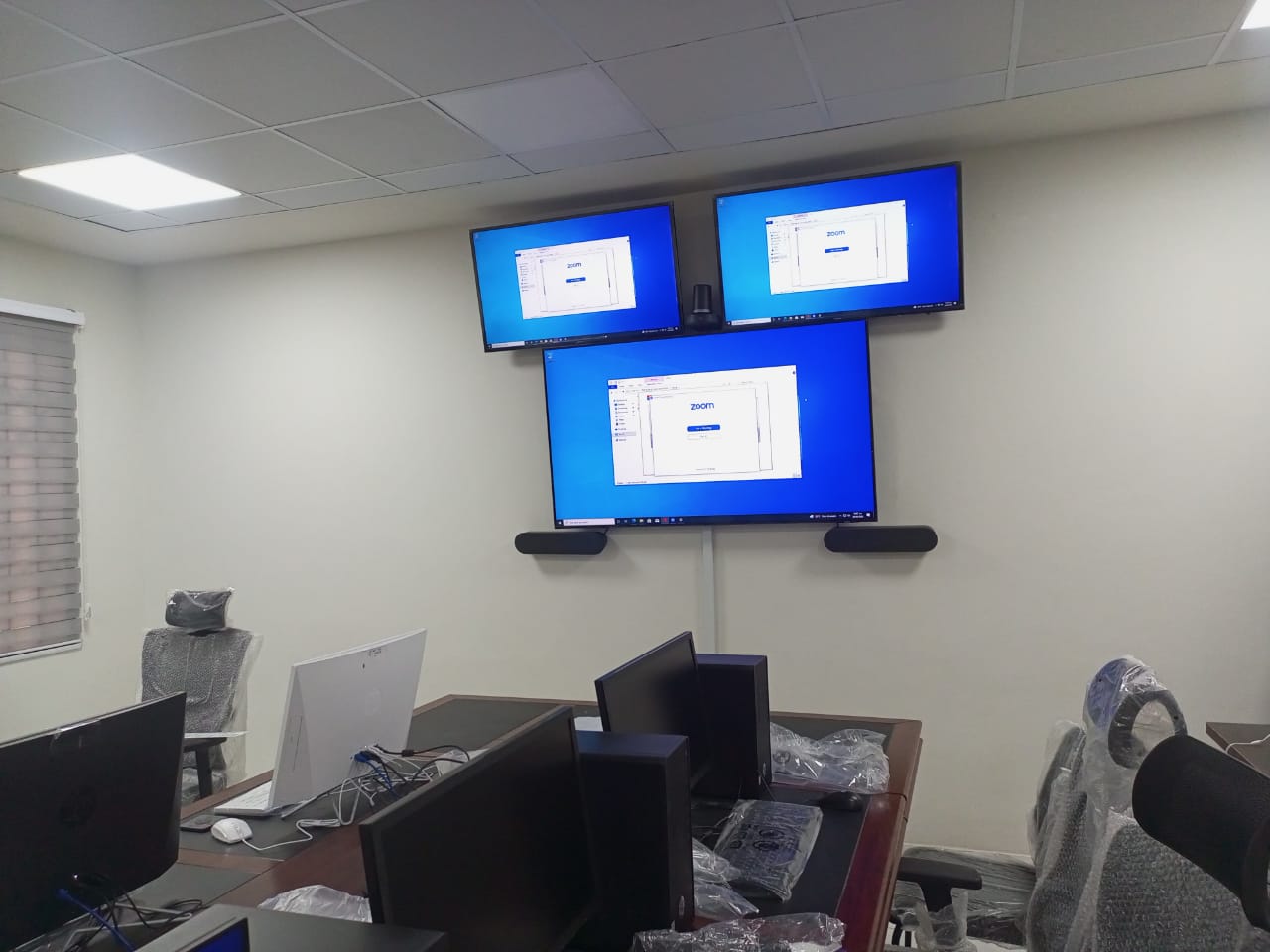
The Noguchi Memorial Institute for Medical Research (NMIMR) was established in 1979 as a semi-autonomous institute of the University of Ghana currently stands as the country’s premier biomedical research facility and one of the leading research institutions in West Africa. Named in honor of Dr. Hideyo Noguchi, a distinguished Japanese scientist who conducted groundbreaking research on yellow fever in Ghana, the institute was built through a collaborative effort between the Government of Japan, the University of Ghana, and the Japan International Cooperation Agency (JICA).
Over the years, NMIMR has become a central pillar in Ghana’s public health system, particularly during disease outbreaks such as Ebola and COVID-19. Its role in research, diagnostics, surveillance, and emergency response makes it vital to the country’s health resilience.
Technology Challenge
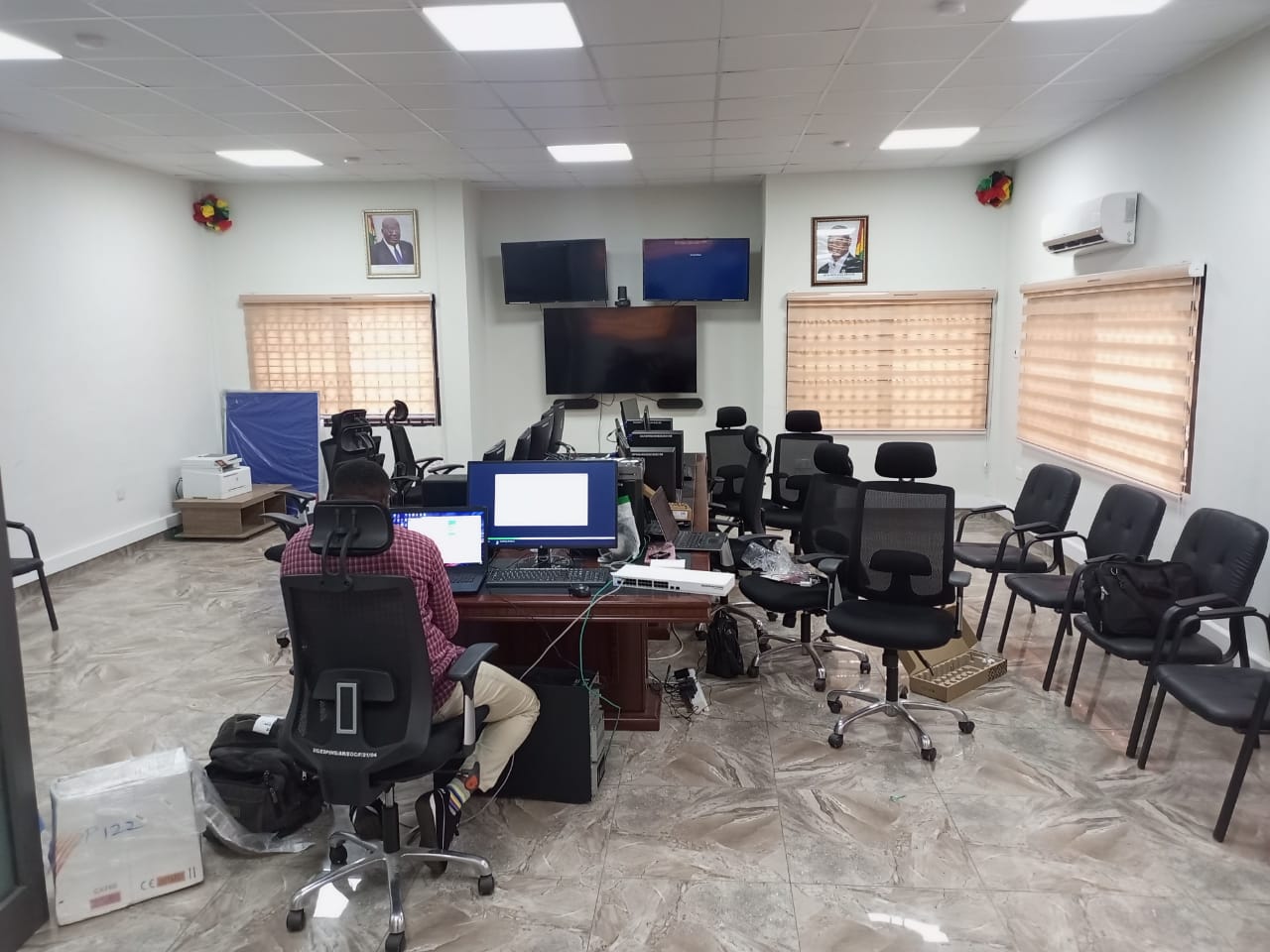
During the peak of the COVID-19 pandemic, the Government of Ghana had to rapidly strengthen its national response mechanisms. As part of this effort, several Emergency Operations Centers (EOCs) needed to be established across multiple regions to enable:
Real-time communication
Rapid decision-making
Efficient data analysis
Coordinated public health responses
These EOCs required urgent deployment and had to be fully functional within short timelines. Each facility needed:
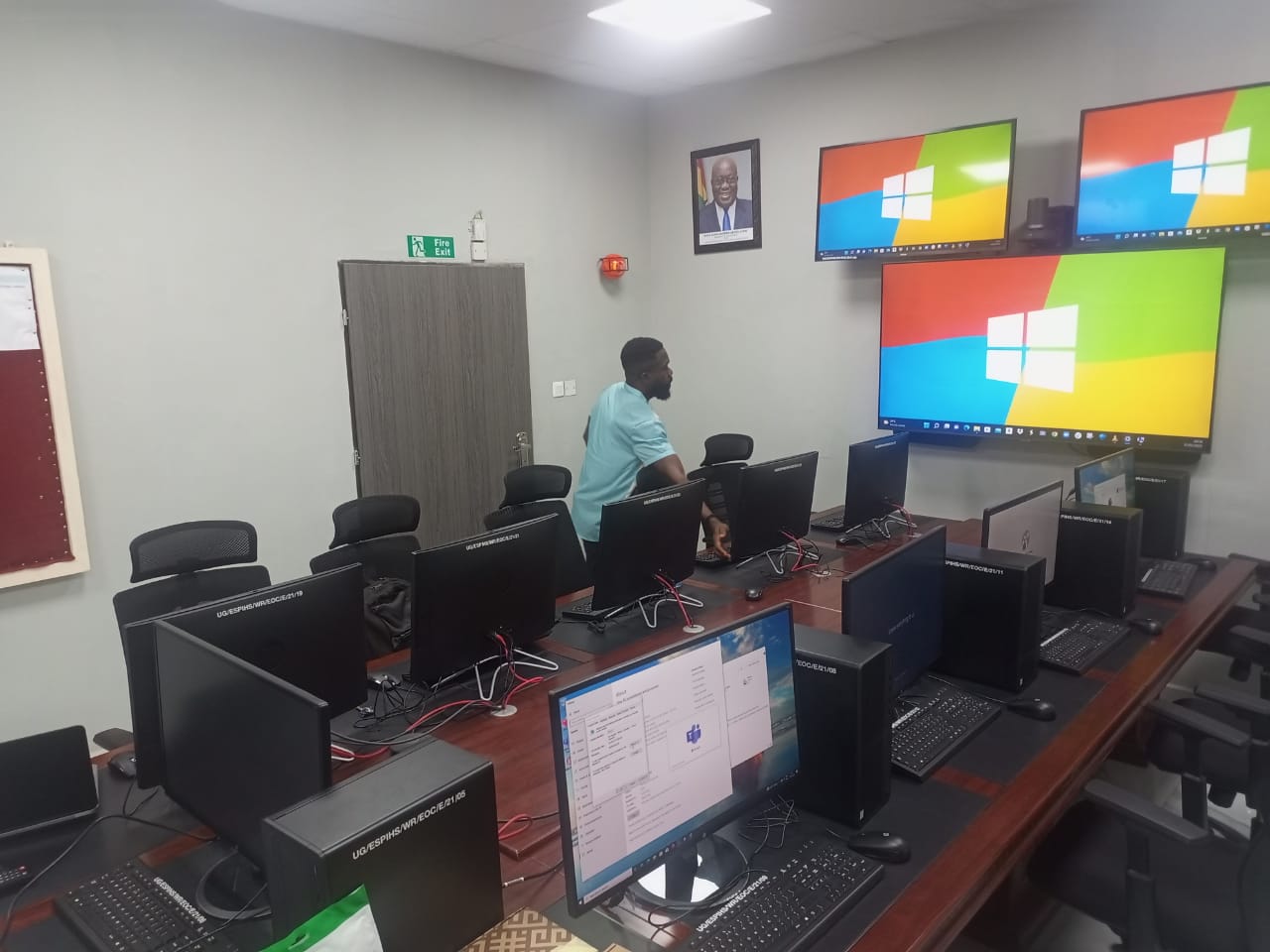
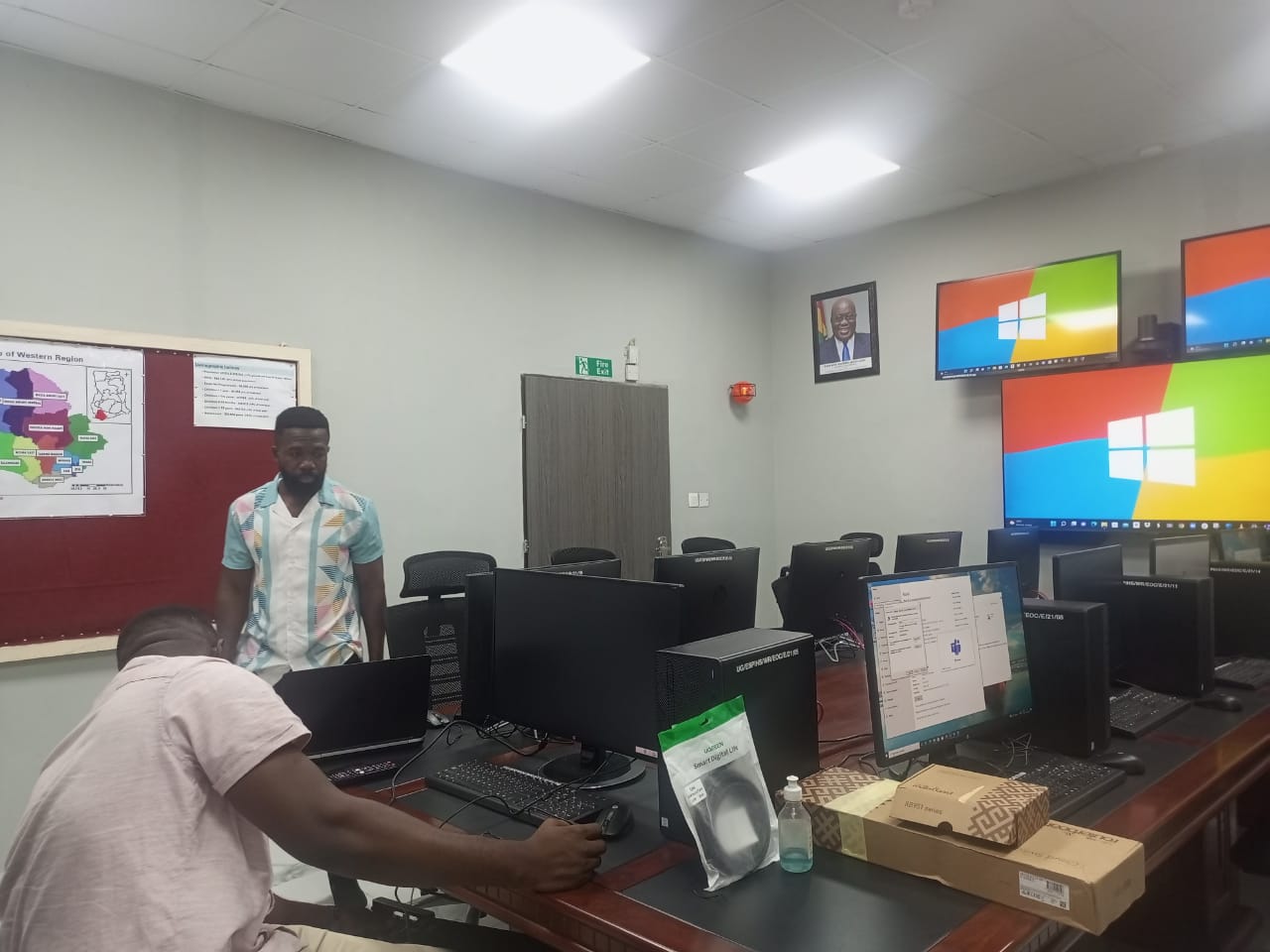
12 modern workstations
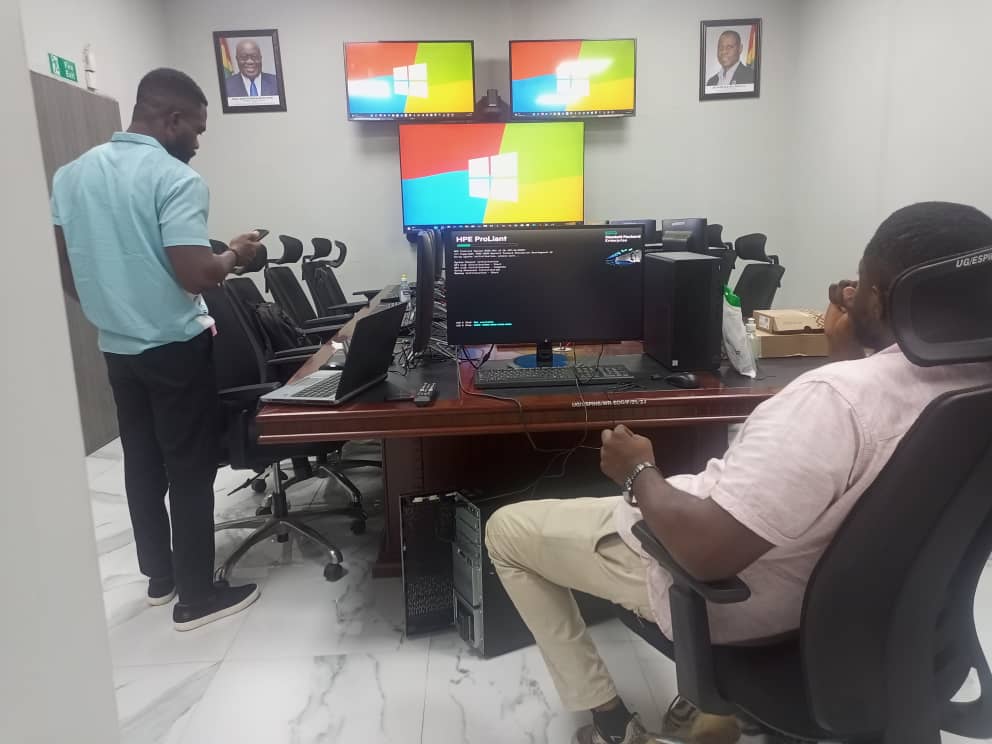
A functional Data Centre
Robust LAN infrastructure
Reliable WAN capabilities
Collaboration and conferencing tools
Speed, accuracy, and reliability were critical due to the urgency of the pandemic response.
Liranz’s Resolution Approach
Liranz adopted a structured and phased implementation framework to deliver an end-to-end IT infrastructure solution. The approach ensured uniformity, scalability, and optimal performance across all regions where EOCs were deployed.
The solution was executed through three major phases:
Network & Connectivity
To ensure seamless communication and reliable data exchange, Liranz began with a comprehensive site survey to identify the most cost-effective and stable connection method for each EOC. Activities under this phase included:
Coordination with designated Internet Service Providers (ISPs) to provision high-quality internet uplinks
Full structured cabling works across the facility
Testing and certification of all data points
Configuration and mounting of network switches, access points, and related equipment in the designated racks
This created a strong foundation for LAN and WAN performance across each EOC.
Communication & Collaboration
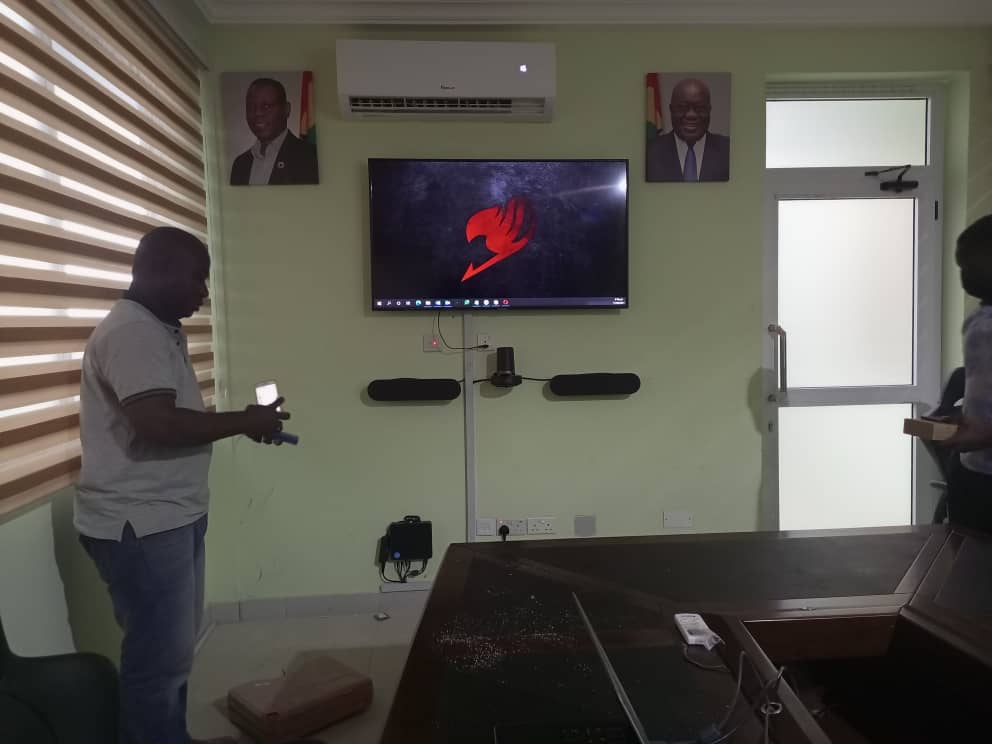
Given the critical nature of emergency response, high-quality communication systems were essential. Liranz procured and deployed a state-of-the-art conference room solution, designed to ensure:
Crystal-clear audio and video
Seamless virtual meetings
Efficient collaboration among health officials
Reliable conferencing performance even under heavy usage
The installation was executed neatly and professionally to support both functionality and aesthetics.
Datacentre & Storage Solutions
Each EOC required a secure, scalable, and resilient environment to manage sensitive health data and operational workflows. Liranz worked with the client to:
Assemble and configure servers procured by NMIMR
Implement storage and backup solutions based on the client’s specifications
Set up required services and system configurations
Ensure optimal performance for data processing, management, and retrieval
This guaranteed that mission-critical applications and data systems performed reliably under pressure.
Project Outcome
By the end of the project, each Emergency Operations Center was transformed into a fully equipped, ultra-modern facility capable of supporting national and regional COVID-19 rapid response activities. Key results included:
Stable, high-performance network infrastructure
Efficient communication and real-time collaboration capabilities
A modern datacentre environment supporting operational continuity
A neatly executed setup that aligned with global standards for emergency response environments
Liranz’s swift execution, technical expertise, and rigorous quality standards ensured that the Government of Ghana had the required infrastructure to coordinate public health actions effectively during one of the country’s most critical periods.
Project:
IT Infrastructure Deployment for Emergency Operations Center
Client:
Noguchi Memorial Institute for Medical Research