Background

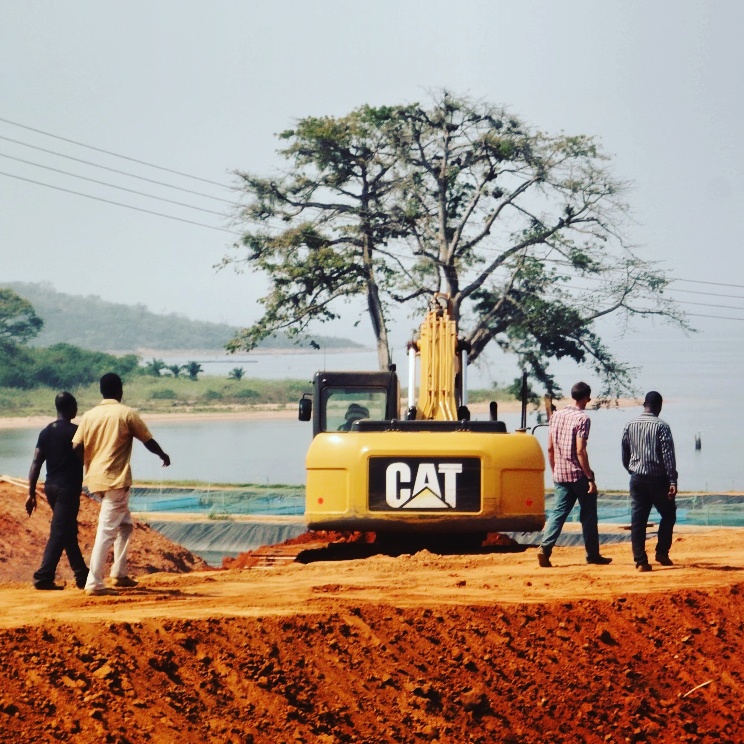
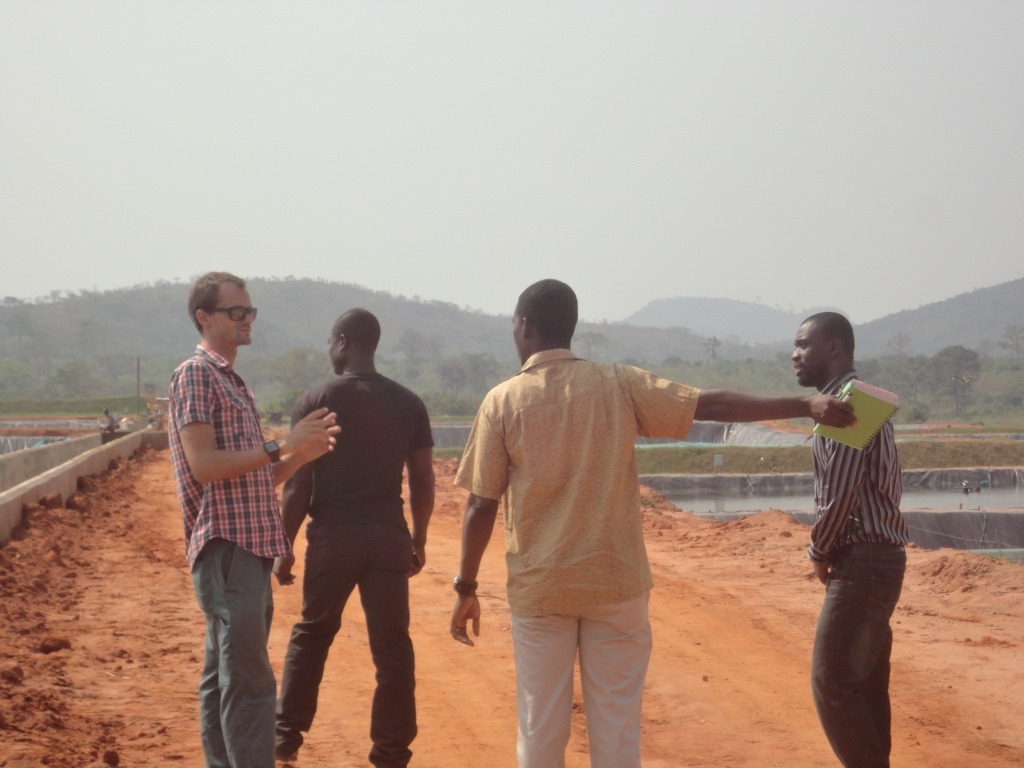
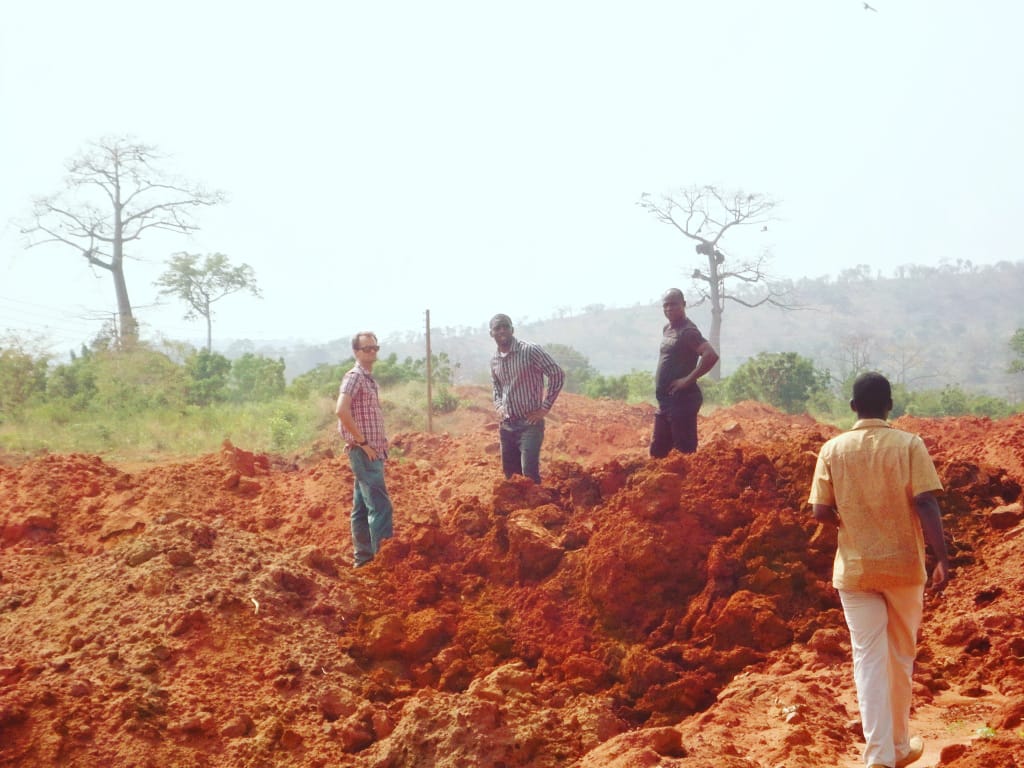
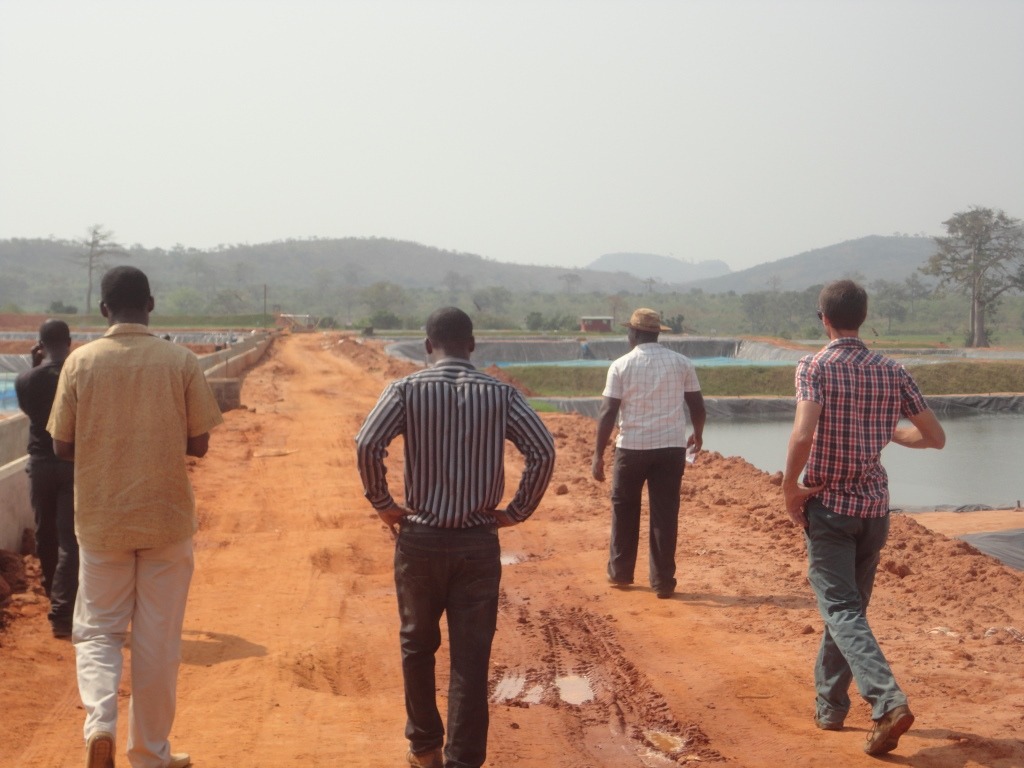
Established in 1997, the client stands as one of Africa’s largest and most advanced tilapia farms, second only to Lake Harvest in Zimbabwe. With an impressive annual production and sales volume exceeding 2,000 metric tons of high-quality tilapia, the company has cemented its leadership in the aquaculture industry.Their operations span multiple strategic locations. The business owns a 32-acre dedicated hatchery at Asutsuare, situated on the Volta River near Akuse, where they produce more than 20 million production-ready fingerlings each year. Full-scale fish production takes place at Mpakadan—just 6 km upstream of the Akosombo Dam—at a deep-water site in the Agina Gorge. This broad operational footprint makes the organization both highly productive and geographically distributed.

Information Technology Challenge

As a fast-growing aquaculture enterprise with operations dispersed across river-based and inland sites, the client encountered significant IT infrastructure and connectivity challenges:

  1. Geographically Scattered Business Units

The Production Teams operate in offshore locations across the Volta Lake. This made it extremely difficult to:

  • Digitize production data in real-time
  • Extend reliable network connectivity to floating cages, barges, and monitoring points
  • Implement centralized data and communication systems
  1. Limited IT Capacity and Management Burden

Given the nature of their core business—fish farming and aquaculture management—the client recognized that directly managing IT personnel, systems, and infrastructure would:

  • Distract leadership from core production goals
  • Increase operational overhead
  • Require specialized knowledge beyond their primary focus
  1. Need for a Core Business Application System

Their operations were largely undigitized and manual. The organization required:

  • A robust, centralized application to automate production, inventory, sales, and administrative processes
  • A secure IT environment capable of hosting mission-critical systems
  • Architecture that could integrate field operations with headquarters
  1. Access Limitations to Critical Servers

Most of their core servers were hosted in Accra, which created challenges with:

  • Remote access from farm sites
  • Data synchronization
  • Connectivity to the administration and branch offices
  • Maintaining security and uptime across multiple locations

These challenges collectively hindered the company’s ability to scale effectively and adopt modern aquaculture technologies.


Resolution Approach

Liranz Limited designed and executed a comprehensive, scalable, and highly secure end-to-end IT transformation strategy tailored to the client’s unique operating environment.

  1. Deployment of a Wide Area Network (WAN) Across Multiple Locations

To bridge the long-distance gap between Accra and the production sites, Liranz engineers implemented:

  • Relay stations and mounted transmission masts across strategic points
  • Long-range, non-corrosive wireless radio transmitters and receivers
  • Modern, high-performance equipment built to withstand harsh lake and field environments
  • Secure point-to-point links optimized for industrial-grade communication

This resulted in a stable, high-speed WAN extending from Accra to Anyaase and further into production areas.

  1. Hybrid Wireless–Cabled Infrastructure

To ensure both performance and flexibility:

  • Wireless links were used for long-distance transmission
  • Structured cabling served as backbone infrastructure within buildings
  • This approach minimized clutter, enhanced mobility, and improved user experience

The result was a clean, efficient, and scalable network architecture.

  1. Secure Remote Access and Data Integration

A fully secured Virtual Private Network (VPN) setup allowed:

  • All users, including offshore teams, to access the centralized storage and core servers in Accra
  • Seamless data flow from production units to administrative systems
  • Protected communication across all business units
  1. Full IT Outsourcing and Managed Services

To eliminate the burden of IT management, the client outsourced end-to-end IT operations to Liranz, which included:

  • Management of all IT personnel
  • Continuous infrastructure monitoring
  • Round-the-clock support for users and systems
  • Proactive maintenance, incident resolution, and optimization

This allowed the client to focus entirely on aquaculture operations while benefiting from enterprise-grade IT support.


  1. Deployment of Business-Critical Application Servers

Liranz designed, installed, and optimized:

  • Core application servers to automate production, sales, reporting, and administration
  • A robust Active Directory (AD) environment aligned with global best practices
  • Advanced corporate firewalls and cybersecurity frameworks

This comprehensive security and systems architecture ensured:

  • Controlled user access
  • Strong protection of mission-critical data
  • High availability for all operational systems

Project:
Digitizing Fish Farming

Client:
Anonymous

Year:
2018

    Staying Ahead of the Curve and Leaving Relevant Footprints

    We are poised to lead organizations undergo Digital Transformation that makes lasting impact.

    Redefining Industries through IT to be the most preferred firm in Africa

    Every step and action of Liranz points to the need for innovation, transformation, leadership, and change with the strokes of IT.