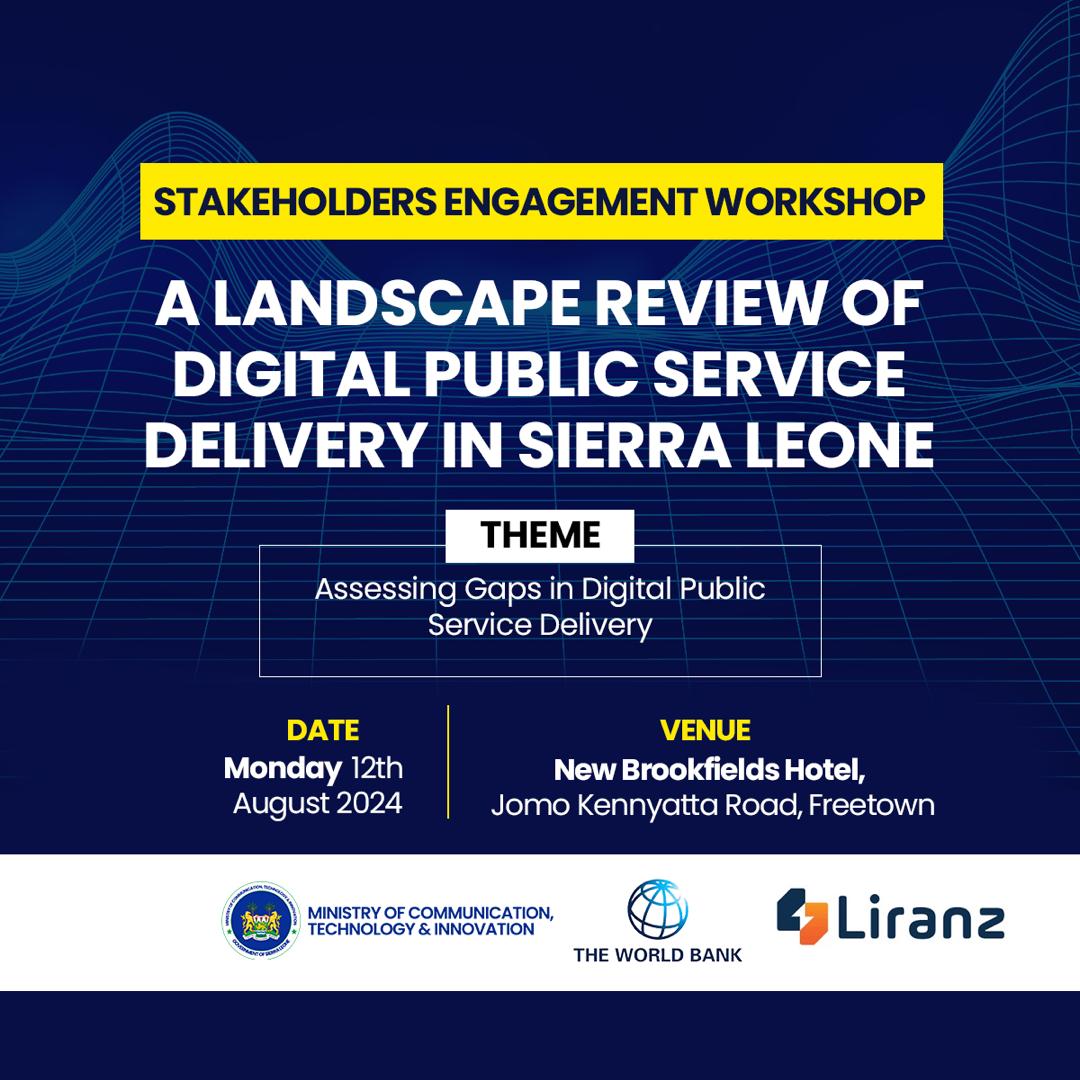
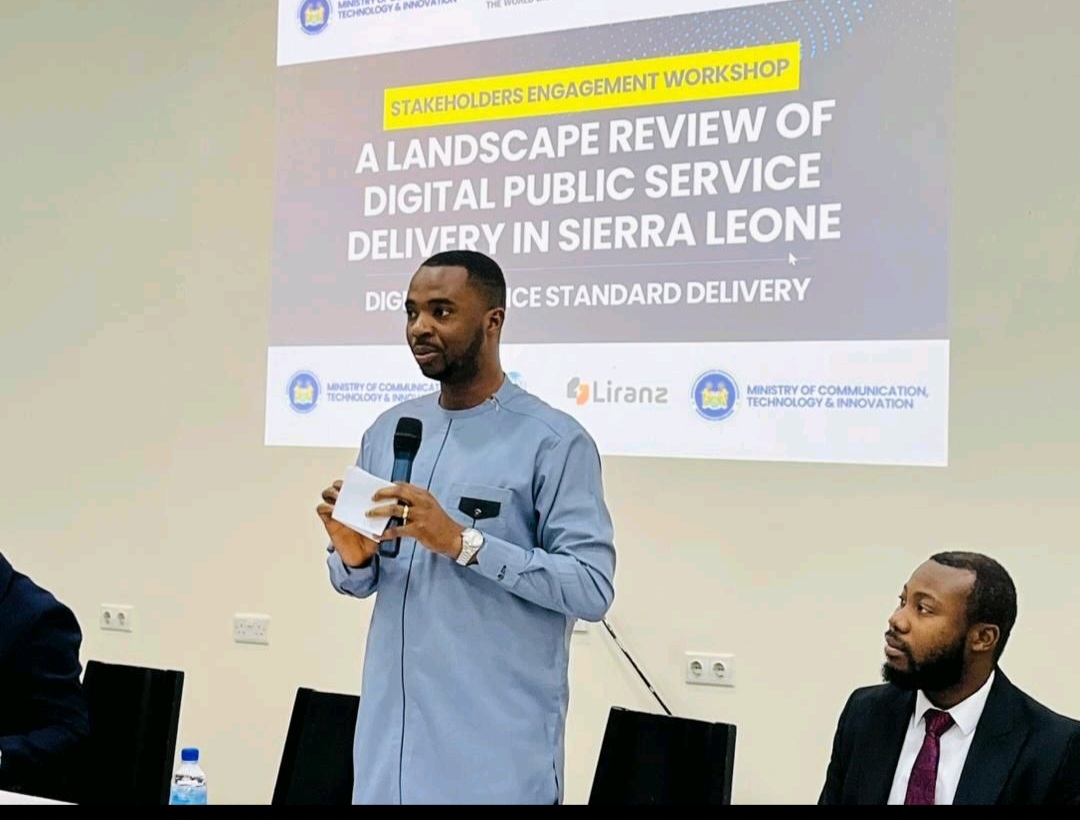
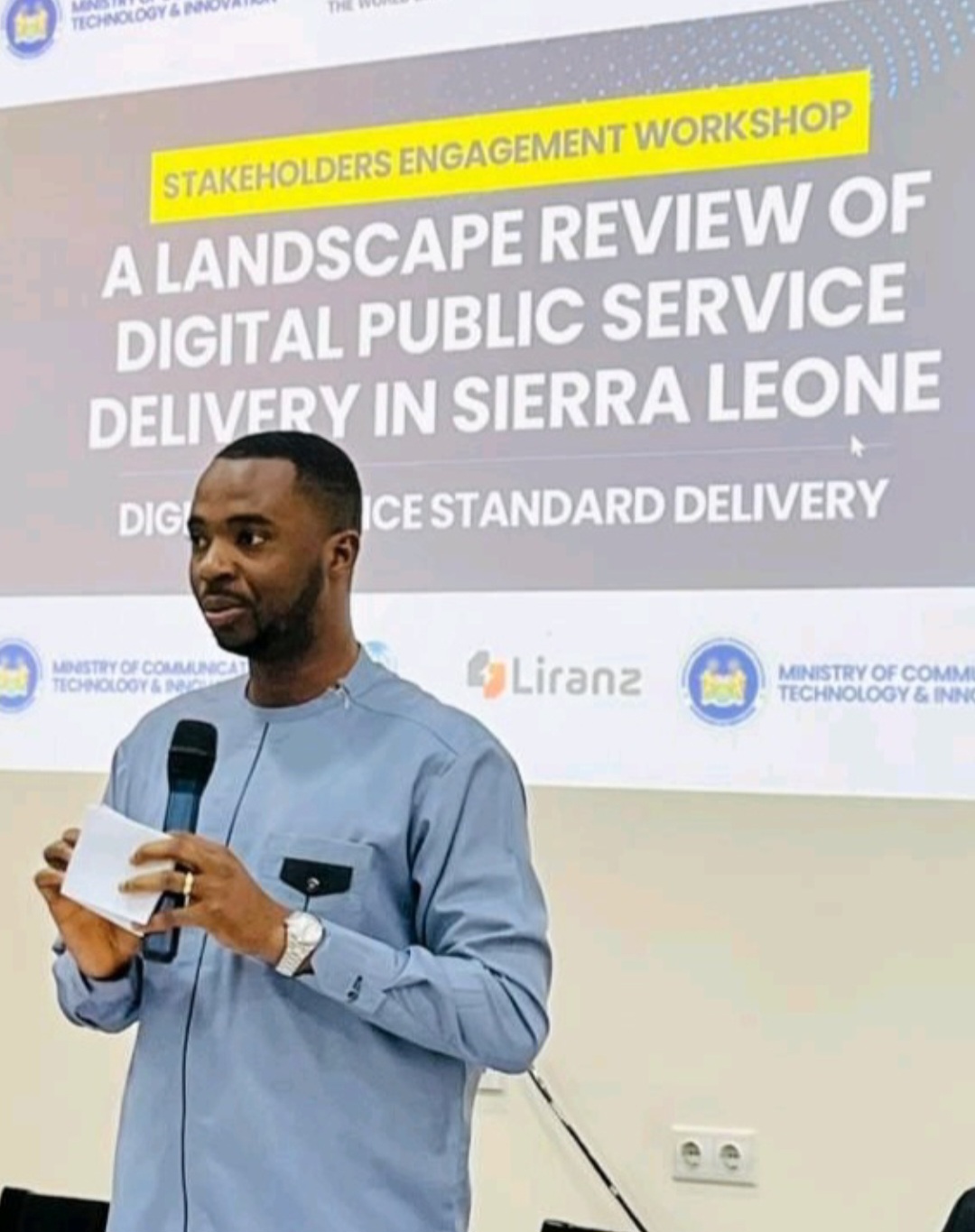
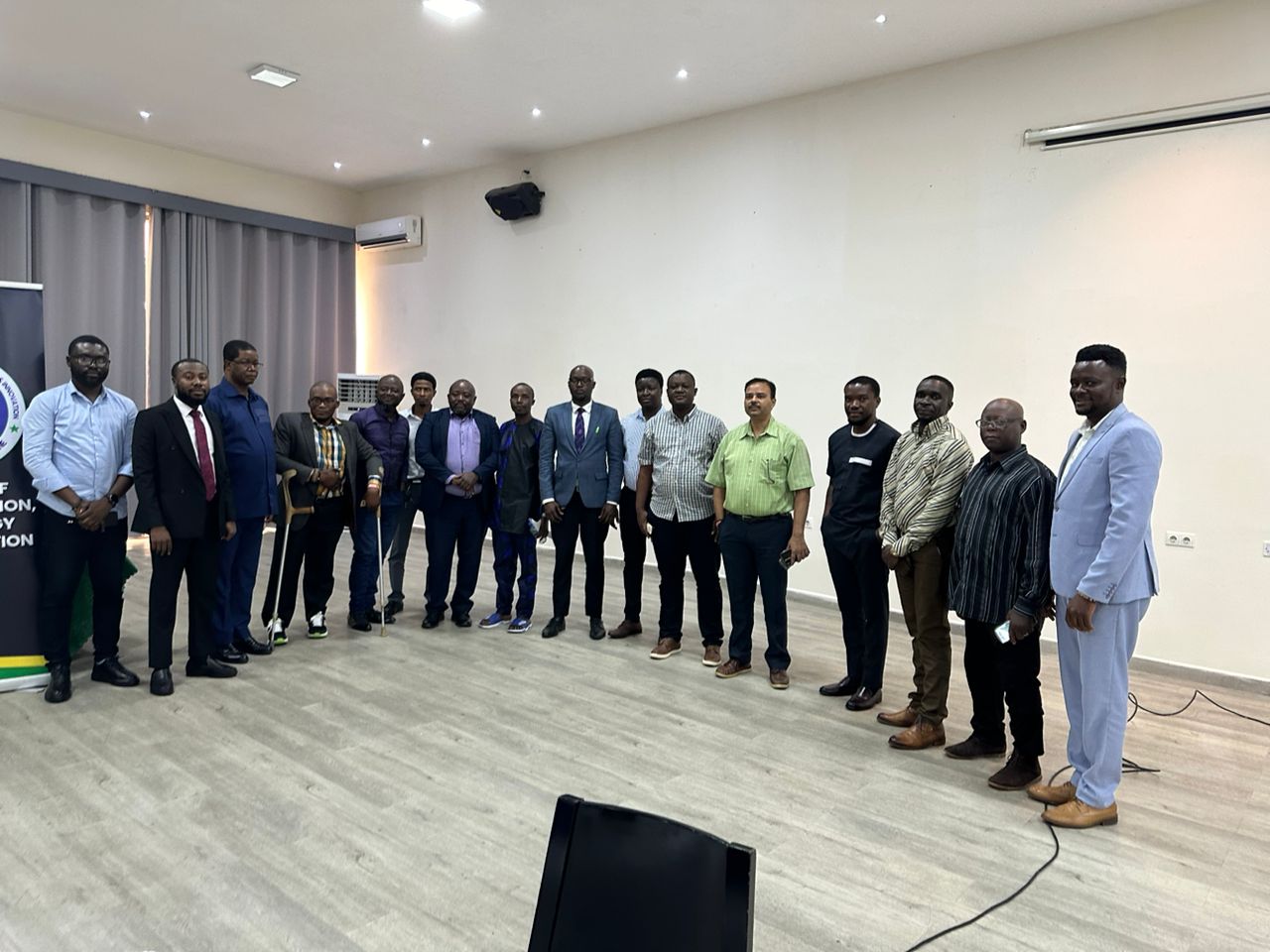
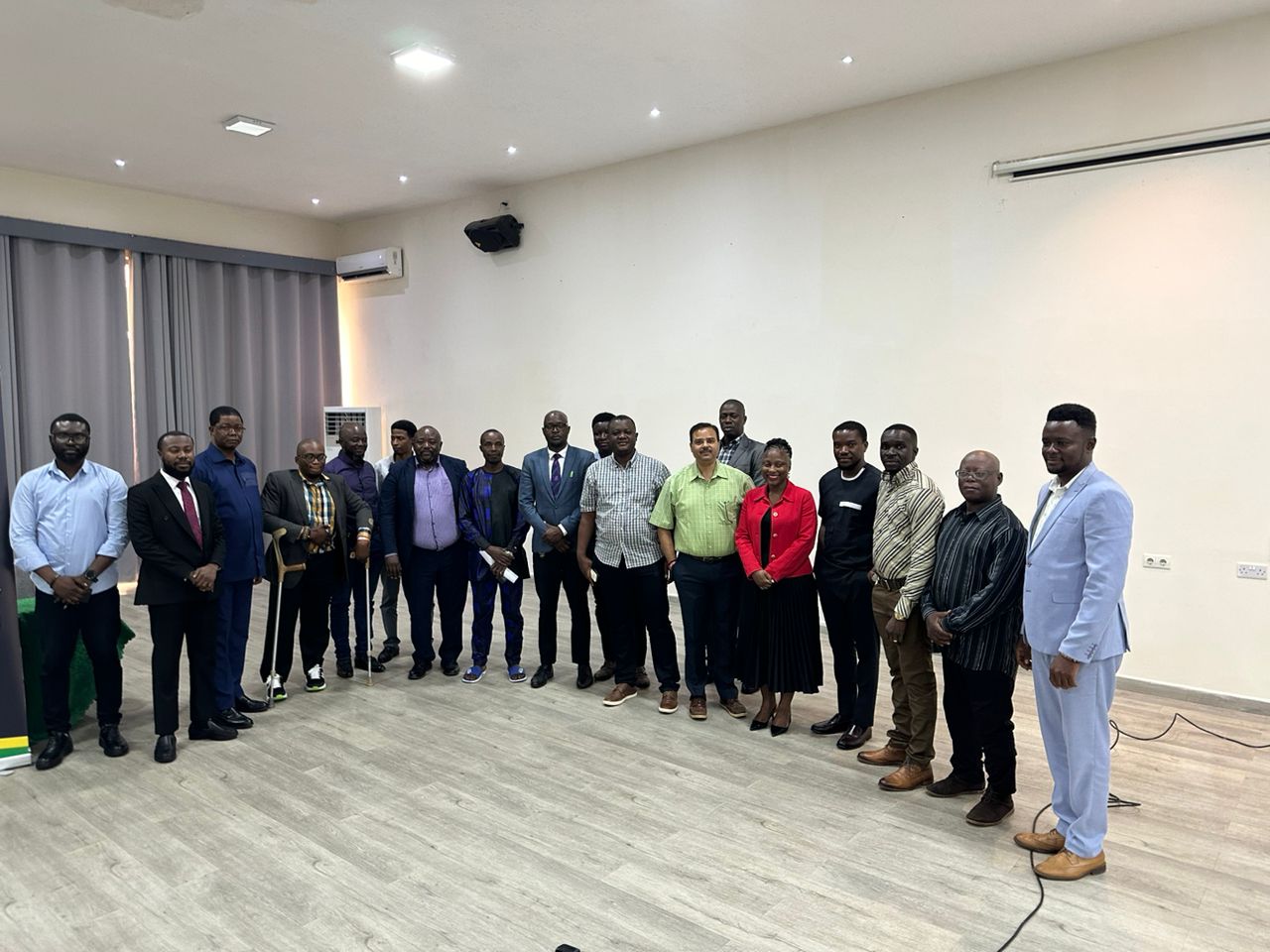
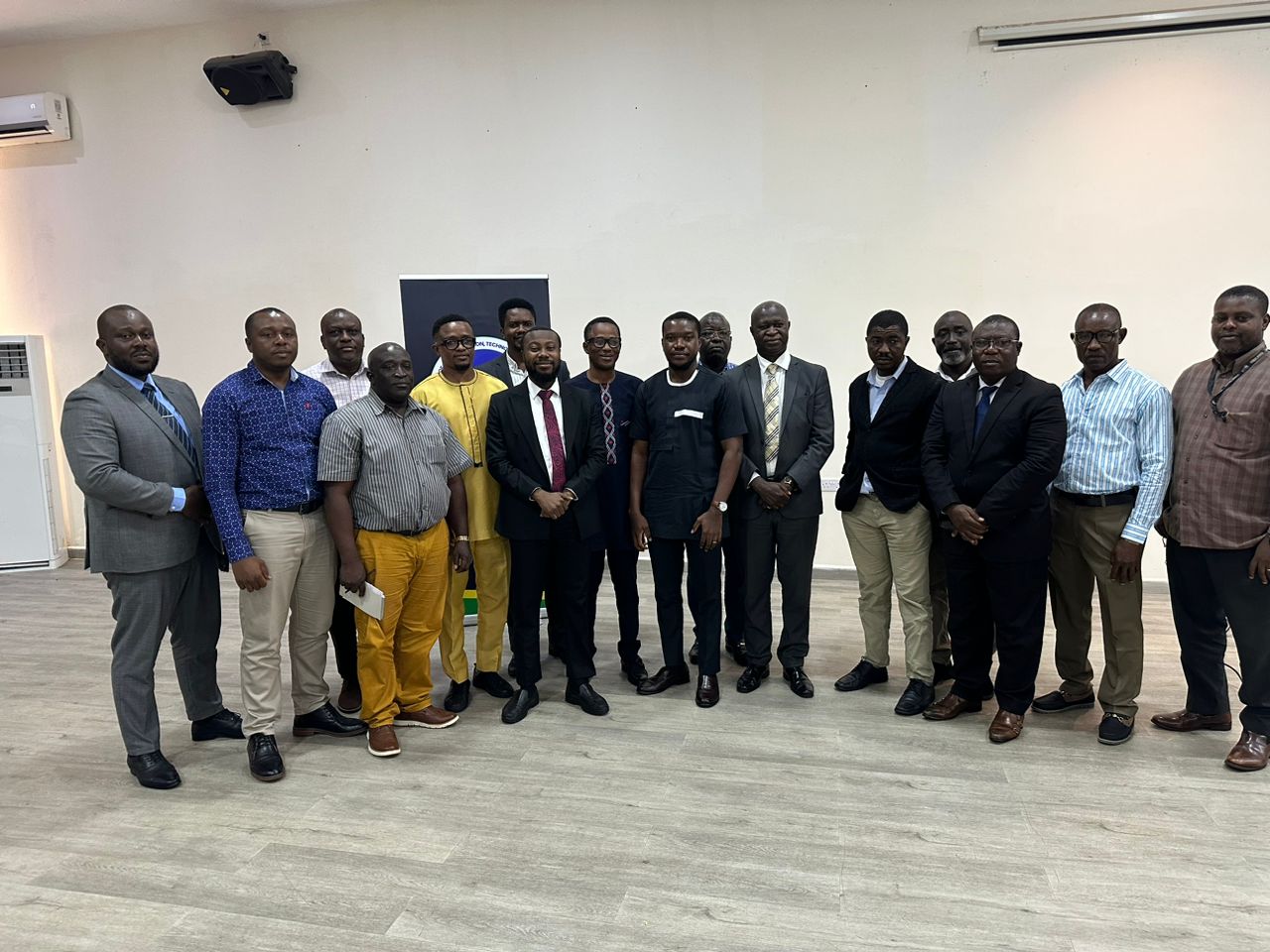
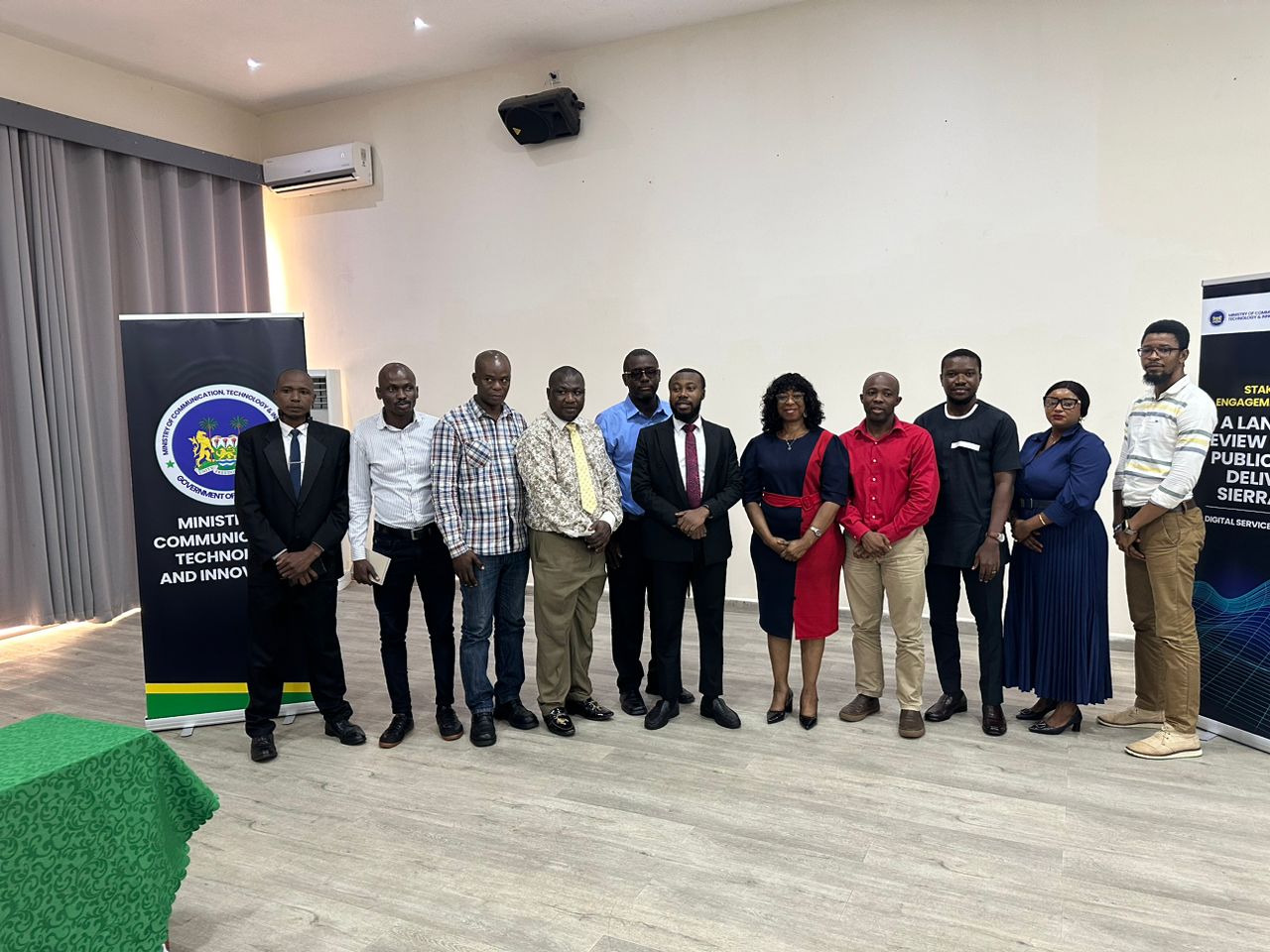
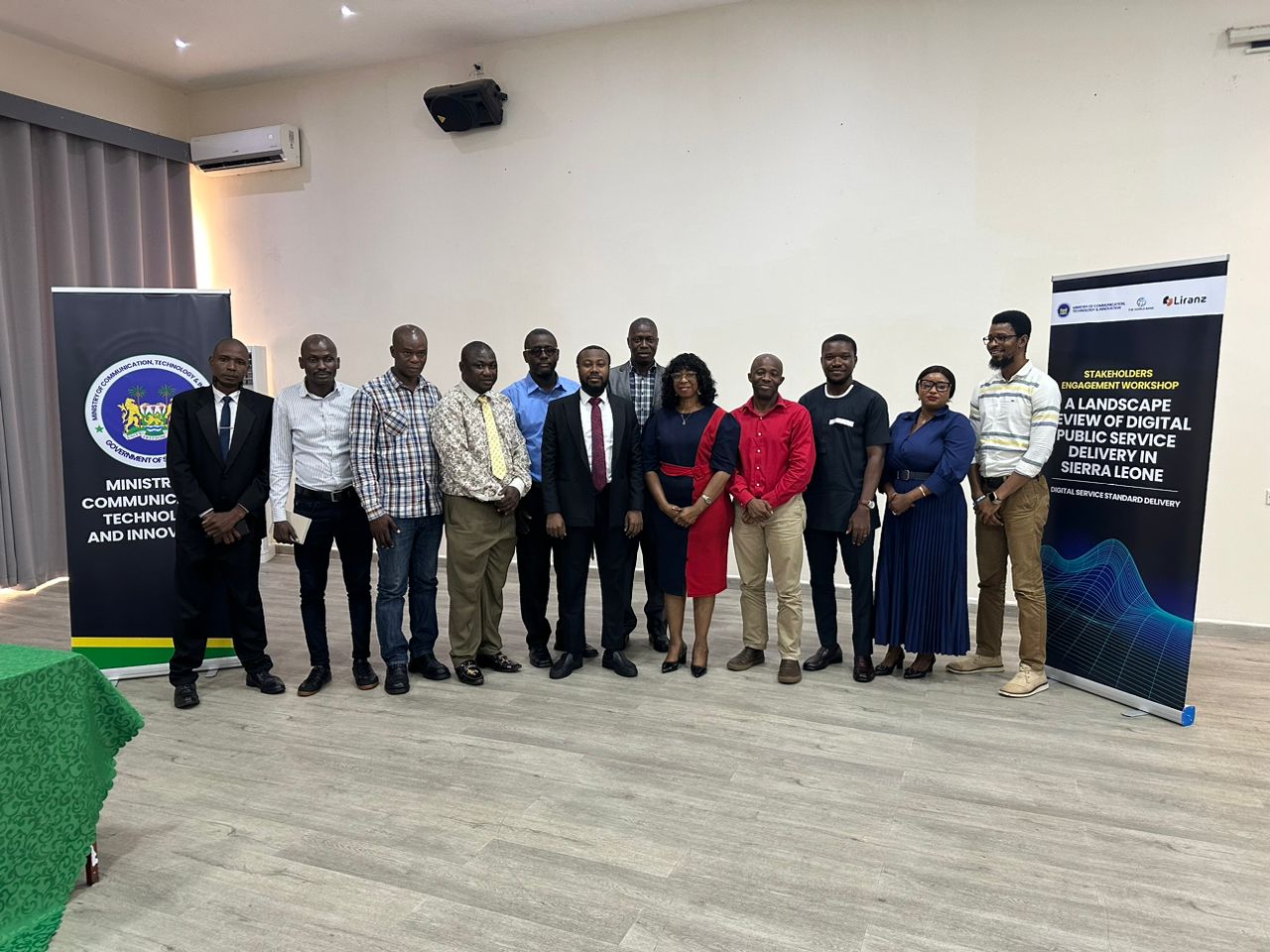
Liranz Limited was engaged to support the Government of Sierra Leone in strengthening its national digital ecosystem through the development of Digital Service Standards (DSS) and a comprehensive Public Service Delivery Assessment. The project aimed to elevate the quality, accessibility, and efficiency of government-to-citizen (G2C), government-to-business (G2B), and government-to-government (G2G) services across the country.
Through a blend of international benchmarking, stakeholder engagement, institutional assessment, and capacity-building interventions, Liranz delivered a framework that positions Sierra Leone to accelerate its digital transformation agenda and improve the overall citizen experience.
Project Scope
The initiative was designed to enhance digital service delivery in Sierra Leone by creating a unified, fit-for-purpose set of digital service standards based on global best practices. It also sought to assess the current state of public service delivery both digital and non-digital to identify gaps, challenges, and opportunities for innovation.
The overarching goal was to provide government institutions with practical tools, guidelines, and strategic direction to design and implement high-quality digital services that are secure, accessible, citizen-centric, and aligned with the country’s development priorities.
Project Objectives
The assignment focused on two major components:
Development of Digital Service Standards (DSS)
Liranz led the end-to-end development of a comprehensive Digital Service Standards framework, crafted to align with global benchmarks while remaining contextually relevant to Sierra Leone’s public sector.
Key activities included:
Developing a full suite of Digital Service Standards and guidelines
These standards were tailored to the local context and designed to improve:
Citizen-centricity and usability
Inclusivity and universal access
Service agility and iterative design
Cybersecurity and data protection
Interoperability across government systems
Effective operation and governance of public digital services
The final DSS package included step-by-step guides, toolkits, and templates to support easy adoption and compliance by Ministries, Departments, and Agencies (MDAs).
International benchmarking and best-practice review
A comprehensive review was conducted using at least four global references, including:
One sub-regional (African) benchmark
Three international references from North America, Europe, and Asia
This ensured the developed standards were world-class, future-proof, and reflective of modern digital government trends.
Designing a DSS governance and compliance oversight framework
Liranz proposed a clear governance structure to guide:
Monitoring of MDA compliance
Standard enforcement
Accountability
Continuous improvement of digital services
This governance model strengthens digital maturity across the public sector.
Developing a national roadmap for DSS adoption
The roadmap outlined:
Capacity-building initiatives
Institutional reforms
Stakeholder engagement strategies
Phased implementation actions
This ensures sustainable adoption and long-term institutionalization of the standards.
Training & capacity building
Liranz conducted three hands-on training sessions, each hosting 30 participants. Training focused on:
Applying the DSS tools and templates
Designing citizen-centric digital services
Implementing standards within actual service delivery environments
These sessions empowered government officers to confidently apply the standards in real-world scenarios.
Public Service Delivery Assessment
The second component focused on evaluating the performance, accessibility, and effectiveness of Sierra Leone’s current public service ecosystem, across both digital and traditional channels.
Core activities included:
Mapping and evaluating 30+ high-impact public services
Liranz reviewed a mix of G2C, G2B, and G2G services, both digital and non-digital in order to assess:
Accessibility and ease of use
Efficiency of delivery
User experience
System performance
Operational gaps and bottlenecks
This analysis provided clear visibility into current challenges and reform priorities.
Institutional and human capacity assessments
Assessments were conducted across all Ministries and at least five key implementing Agencies/Departments to determine:
Skill gaps among service delivery personnel
Institutional challenges
Operational inefficiencies
Impact of these gaps on citizens and socio-economic development
The findings informed targeted recommendations for capability enhancement.
Stakeholder engagement to capture citizen and business perspectives
Liranz engaged diverse groups, including:
Government officials
Citizens
Business owners
These engagements identified expectations, needs, challenges, and priorities regarding public service delivery.
Large-scale nationwide surveys
Two major surveys were conducted:
1,000 citizens
300 businesses
Surveys focused on:
Challenges in accessing digital services
Services in highest demand
User expectations and satisfaction levels
Walk-in center usage and support needs
The results helped shape data-driven recommendations for service improvement.
Recommendations for enhancing service delivery
Liranz provided clear, actionable strategies to improve the accessibility, efficiency, and quality of public services through digital channels. This included:
Service prioritization frameworks
Opportunities for expanding digital service offerings
Improvements to user experience and system performance
Roadmaps with timelines and activities for implementation
Capacity-building workshops
Liranz organized three workshops with government stakeholders focusing on:
Applying DSS practices to prioritized G2C and G2B services
Strengthening service design capabilities
Embedding citizen-centric and data-driven decision-making
Impact and Expected Outcomes
This project laid a strong foundation for Sierra Leone’s journey toward a modern, efficient, and citizen-centered digital government. The Digital Service Standards provide government institutions with a unified framework for designing high-quality services, while the Service Delivery Assessment identified critical reforms required to improve user experience.
Together, these interventions enable the Government of Sierra Leone to:
Accelerate digital transformation
Improve public trust and accessibility
Enhance efficiency in G2C and G2B interactions
Build a more inclusive and responsive public service ecosystem
Strengthen institutional capacity across the public sector
Project:
Digital Service Standards & Public Service Delivery Assessment